October 18, 2025, Lincoln, Al, USA: AUSTIN HILL 21 wins the United Rentals 250 in Lincoln, AL. Lincoln USA - ZUMAa161 20251018_aaa_a161_091 Copyright: xWalterxG.xArcexSr.x
October 18, 2025, Lincoln, Al, USA: AUSTIN HILL 21 wins the United Rentals 250 in Lincoln, AL. Lincoln USA - ZUMAa161 20251018_aaa_a161_091 Copyright: xWalterxG.xArcexSr.x
Series EVP John Probst says that fan feedback remains central to the steps NASCAR is taking, whether it is tackling less-liked race strategies or adding more power to the cars.
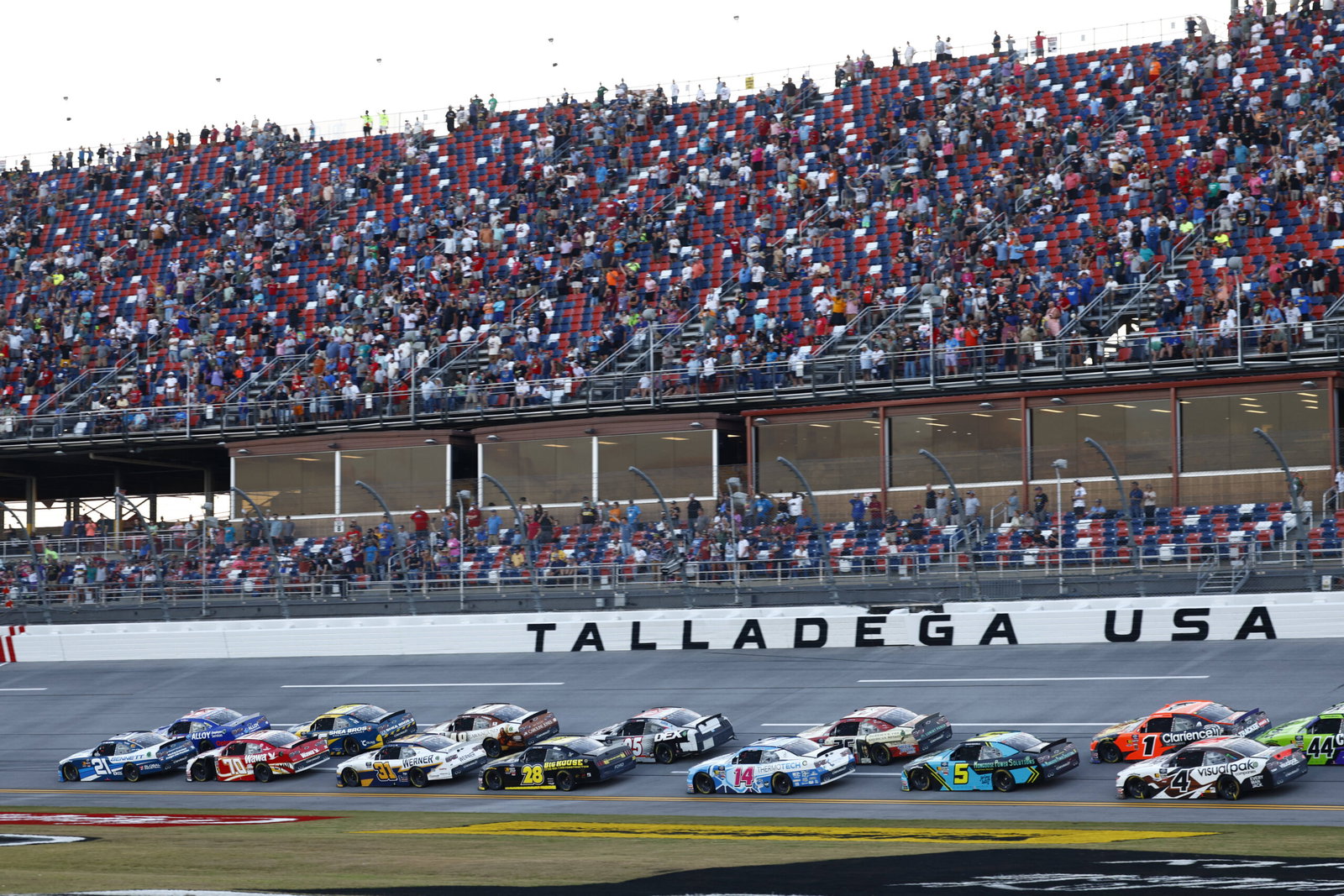
Recently, Probst announced a change in stage lengths at Talladega for 2026, a direct move to address fan criticism of drivers lifting to save fuel during longer stage finishes, like at Daytona.
Probst said, “It could make strategy very interesting,” and suggested that a longer first stage followed by two shorter ones should keep drivers at full speed for longer, while pit strategy will play a bigger role in the outcome.
“We will forever listen to our fans. We listen to them every week. We have our fan council. We now use AI to make sure we’re taking everyone’s feedback into account, and we will respond,” he added.
But the stage change at Talladega isn’t the first example.
NASCAR has also responded to long-standing driver and fan requests by increasing horsepower from 670hp to 750hp on tracks under 1.5 miles and on road courses.
Probst added that while increasing horsepower is technically straightforward, it comes with challenges. “If we push engines beyond their durability limits, we risk adding tens of millions of dollars in cost to the industry.”
Success of Gen7 Car and Patents
In December 2025, Probst was asked why NASCAR had filed for patents on its seventh-generation car and whether that indicated monopolistic behavior.
Probst said that spending eight figures to develop a car and not filing for patents would be like “Coca-Cola creating a recipe and immediately giving it to Pepsi.”
Looking at the racing since 2022, when the Next Gen cars were introduced, Probst has gained confidence. He described it as an “overwhelming success.”
The ethos behind the 7th gen car was to modernize NASCAR, grow fan engagement, attract new OEMs, and improve the business model for race teams.
Looking at the rapid rise of newer organisations like Trackhouse Racing, 23XI Racing, Front Row Motorsports, and Spire Motorsports, which have all been competing for wins within a short span of entry, Probst said, “These teams are less than three years into existence in many cases, and they’re already contending for wins and championships.”
He said that it was exactly this rise that “tells you the platform achieved what it was designed to do.”
You can read more on the Daytona Racing Digest
Written by

Debrup Chaudhuri
Edited by

Pulkit Prabhav