
via Imago
via Imago
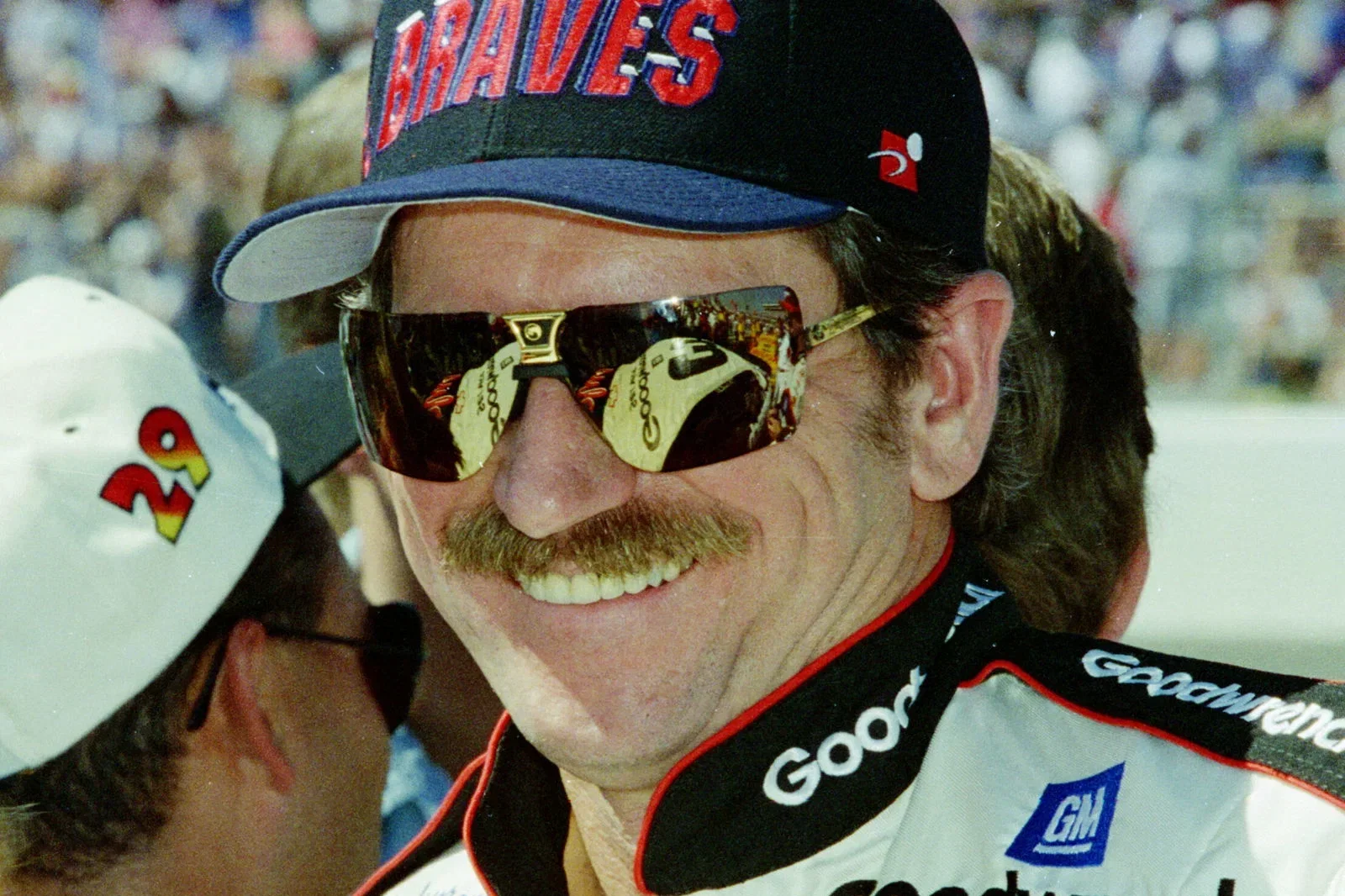
Even today, if there's one race that frustrates Bill Elliott in his 37-year-long career, it's the 1987 Winston All-Star Race. And it wasn't about losing the race; it was losing the gruelling battle with Dale Earnhardt, where a move by him in the race is still adored by the racing fans to this day.
By the time this All-Star matchup at Charlotte arrived, both drivers had already established their dominance, combining for 17 victories for the season. Elliott, in his No. 9 Melling Ford Thunderbird, and Earnhardt’s No. 3 Chevrolet ruled the track.
Technically, Elliott did have a right to be furious. After all, he had dominated the circuit, winning the pole with a record track speed of 170.827 mph and leading 121 of the 135 laps. However, it all went spiralling down in the final ten laps.
Earnhardt passed him, and the chase from the No. 9 began. He closed rapidly behind Earnhardt exiting Turn 4 and made contact with the rear of the No. 3.
This led to Earnhardt sliding through the grass yet maintaining control and the race lead! This famously came to be known as Earnhardt’s “Pass in the Grass.” Watch the iconic moment here:
Eventually, Elliott dropped from second to third place, and then something happened that made his car suddenly drop speed. He ended his race at 14th place.
His anger exploded the minute the checkered flag was raised. On the cooldown lap, he deliberately rammed Earnhardt before the field returned to the pit lane. NASCAR viewed the night as excessively aggressive and fined both Earnhardt and Elliott $10,000 each.
Even though the night was extremely interesting, the ramifications of it and the following races that year are still felt today, with changes made by NASCAR then still having influence on laps raced currently.
How 1987 forced NASCAR to finally slow the cars down
The 1987 NASCAR season pushed cars to their limits. Aerodynamic advancements on the Ford Thunderbird and Chevrolet Monte Carlo had sent speeds beyond control.
Take the example of Bill Elliott, who set a record of 212.809 mph at Talladega that hasn’t been challenged even today, almost 40 years later.
Drivers averaged over 200 mph in race draft conditions, leading to situations such as those at the 1987 Winston 500 when Bobby Allison suffered a tire failure at over 200 mph, launching his Buick into the Talladega catchfence and injuring spectators.
This immediately changed the sport. NASCAR realized that speeds had become unsustainable, eventually introducing restrictor plates in 1988, permanently changing the sport at superspeedways like Daytona and Talladega, even as we know them today.
You can read more on the Daytona Racing Digest!
Written by

Uday Jakhar
Edited by

Suyashdeep Sason